Archive for November, 2014
Mount Sinai Researchers Awarded $1 Million Grant to Find New Stem Cell Therapies for Vision Recovery
Contact Information
Available for logged-in reporters only
Newswise NEW YORK November 20, 2014 The National Eye Institute (NEI), a division of the National Institutes of Health, has awarded researchers at the Icahn School of Medicine at Mount Sinai a five-year grant that will support an effort to re-create a patients ocular stem cells and restore vision in those blinded by corneal disease.
About six million people worldwide have been blinded by burns, trauma, infection, genetic diseases, and chronic inflammation that result in corneal stem cell death and corneal scarring. There are currently no treatments for related vision loss that are effective over the long term. Corneal stem cell transplantation is an option in the short term, but availability of donor corneas is limited, and patients must take medications that suppress their immune systems for the rest of their lives to prevent rejection of the transplanted tissue.
A newer proposed treatment option is the replacement of corneal stem cells to restore vision. The grant from the NEI will fund Mount Sinai research to re-create a patients own stem cells and restore vision in those blinded by corneal disease. Technological advances in recent years have enabled researchers to take mature cells, in this case eyelid or oral skin cells, and coax them backward along the development pathways to become stem cells again. These eye-specific stem cells would then be redirected down pathways that become needed replacements for damaged cells in the cornea, in theory restoring vision.
Our findings will allow the creation of transplantable eye tissue that can restore the ocular surface, said Albert Y. Wu, MD, PhD, Assistant Professor, Department of Ophthalmology at the Icahn School of Medicine at Mount Sinai and principle investigator for the grant-funded effort. In the future, we will be able to re-create a patients own corneal stem cells to restore vision after being blind, added Dr. Wu, also Director of the Ophthalmic Plastic and Reconstructive Surgery, Stem Cell and Regenerative Medicine Laboratory in the Department of Ophthalmology and a member of the Black Family Stem Cell Institute at Icahn School of Medicine. Since the stem cells are their own, patients will not require immunosuppressive drugs, which would greatly improve their quality of life.
Specifically, the grant will support efforts to discover new stem cell therapies for ocular surface disease and make regenerative medicine a reality for people who have lost their vision. The research team will investigate the most viable stem cell sources, seek to create ocular stem cells from eyelid or oral skin cells, explore the molecular pathways involved in ocular and orbital development, and develop cutting-edge biomaterials to engraft a patients own stem cells and restore vision.
Other investigators from Mount Sinai include Ihor Lemischka, PhD, Director, Black Family Stem Cell Institute and J. Mario Wolosin, PhD, Professor of Ophthalmology. The research is supported by NEI grant EY023997.
###
View original post here:
Mount Sinai Researchers Awarded $1 Million Grant to Find New Stem Cell Therapies for Vision Recovery
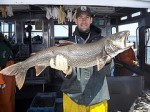
Green Bay FWCO Fish Biologist Kevin Pankow displays a lake trout captured gill netting near Isle Royale on Lake Superior
USFWS Fisheries posted a photo:

Fish Biologist Kevin Pankow, from the Green Bay Fish and Wildlife Conservation Office (FWCO), assisted the Michigan Department of Natural Resources (DNR), NOAA Northwest Fisheries Science Center, Ashland Fish and Wildlife Conservation Office, National Park Service and University of Wisconsin-Milwaukee the week of June 2, 2014 with a lake trout research project near Isle Royale National Park on Lake Superior. The cooperative, 2-year research project, coauthored by Chuck Bronte from Green Bay FWCO, was funded by a competitive grant from the Great Lakes Fishery Commission. The objectives of the project are to characterize the seasonal reproductive development, assess the genetic relatedness of individuals within a given morphotype collected seasonally to determine if they are derived from the same morphotype populations, and compare fecundity and skeletal muscle lipid levels among lean, siscowet, humper and redfin lake trout at Isle Royale. Photo by Mike Seider/USFWS.
http://www.fws.gov/midwest/GreenBayFisheries/
http://www.fws.gov/midwest/ashland/
Carey Edwards, biologist from Iron River National Fish Hatchery, Wisconsin, poses with a beautiful coaster brook trout
USFWS Fisheries posted a photo:
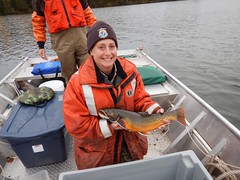
The Iron River National Fish Hatchery, WI maintains approximately 10,000 adult and juvenile captive lake trout and coaster brook trout brood stock. Infusion of wild genetics into these captive lines is paramount for successful brood stock management. This fall 2014, Carey Edwards and Brandon Keesler from Iron River and Henry Quinlan from the Ashland Fish and Wildlife Conservation Office, WI, made the trek to Isle Royale National Park in Lake Superior to collect gametes from coaster brook trout found in Tobin Harbor. Male gametes are collected in plastic bags and checked under a microscope for viability before collecting and fertilizing eggs from females. Once the eggs are fertilized with the milt, they are rinsed, disinfected, and sealed in containers with well water from the hatchery. The containers are packed in coolers for transport back to the mainland and continue on to a quarantine facility at Genoa Natrional Fish Hatchery, WI, to incubate, hatch and grow for 18 months before becoming brood stock at Iron River. USFWS photo.
http://www.fws.gov/midwest/ironriver/
http://www.fws.gov/midwest/ashland/
http://www.fws.gov/midwest/genoa/
Genetic Engineering Recast – Video
Genetic Engineering Recast
English 1001 recast project.
By: Brent Ufkes
View original post here:
Genetic Engineering Recast - Video
Caffeine counters cocaine's effects on women's estrus cycles
PUBLIC RELEASE DATE:
20-Nov-2014
Contact: Kathryn Ryan kryan@liebertpub.com 914-740-2100 Mary Ann Liebert, Inc./Genetic Engineering News @LiebertOnline
New Rochelle, NY, November 20, 2014-Women are more sensitive to the effects of cocaine and more susceptible to cocaine abuse than men. Cocaine's ability to disrupt a woman's estrus cycle may explain the sex differences in cocaine addiction, and new evidence that caffeine may be neuroprotective and able to block cocaine's direct effects on the estrus cycle reveals novel treatment possibilities, according to an article published in Journal of Caffeine Research: The International Multidisciplinary Journal of Caffeine Science, a peer-reviewed journal from Mary Ann Liebert, Inc., publishers. The article is available free on the Journal of Caffeine Research website at http://online.liebertpub.com/doi/full/10.1089/jcr.2014.0015 until December 20, 2014.
In the article "Cocaine Shifts the Estrus Cycle Out of Phase and Caffeine Restores It", Patricia Broderick, PhD and Lauren Malave, City College of New York, City University of New York Graduate Center, City University of New York, and NYU Langone Medical Center, New York, NY, show that cocaine shifts the estrus cycle, thereby changing a woman's estrogen levels. Caffeine can block these changes, suggesting that antagonists of the adenosine system may have a role in treating cocaine addiction.
"This is cutting-edge work that has never been shown before. It is critical knowledge relevant to women's reproductive health," says Patricia A. Broderick, PhD, Editor-in-Chief of Journal of Caffeine Research and Medical Professor in Physiology, Pharmacology & Neuroscience, The Sophie Davis School of Biomedical Education, The City College of New York, The City University of New York, and Adjunct Professor in Neurology, New York University Langone Medical Center and Comprehensive Epilepsy Center.
###
About the Journal
Journal of Caffeine Research: The International Multidisciplinary Journal of Caffeine Science is a quarterly journal published in print and online. The Journal covers the effects of caffeine on a wide range of diseases and conditions, including mood disorders, neurological disorders, cognitive performance, cardiovascular disease, and sports performance. Journal of Caffeine Research explores all aspects of caffeine science including the biochemistry of caffeine; its actions on the human body; benefits, dangers, and contraindications; and caffeine addiction and withdrawal, across all stages of the human life span from prenatal exposure to end-of-life. Tables of content and a sample issue may be viewed on the Journal of Caffeine Research website at http://www.liebertpub.com/jcr.
About the Publisher
More:
Caffeine counters cocaine's effects on women's estrus cycles
Panel-Based Genetic Diagnostic Testing for Inherited Eye Diseases Is Highly Accurate and More Sensitive Than Exome …
Contact Information
Available for logged-in reporters only
Newswise BOSTON (Nov. 20, 2014) Investigators at Massachusetts Eye and Ear and Harvard Medical School Department of Ophthalmology and colleagues reported the development and characterization of a comprehensive genetic test for inherited eye disorders in the online version of the Nature journal Genetics In Medicine today. The Genetic Eye Disease (GEDi) test includes all of the genes known to harbor mutations that cause inherited retinal degenerations, optic atrophy and early onset glaucoma. These disorders are important causes of vision loss, and genetic treatments such as gene therapy hold promise for preserving vision in affected individuals. The GEDi test is offered on a CLIA-certified basis through the Ocular Genomics Institute (OGI) at Mass. Eye and Ear.
The retina is the neural tissue in the back of the eye that initiates vision. It is responsible for receiving light signals and converting them into neurologic signals, which are then transmitted via the optic nerve to the brain so that we can see. Mutations that disrupt vision by damaging the retina and optic nerve have been identified in more than 200 genes. This genetic diversity made genetic diagnostic testing difficult until the recent development of high throughput genomic techniques. The GEDi test uses targeted capture and next generation sequencing techniques to sequence 226 genes known to cause inherited eye disorders. Future versions of the test will also include genes responsible for eye movement disorders (strabismus) and other inherited eye conditions.
Gene panel-based tests for inherited eye disorders have been previously reported, but none of these have been as thoroughly characterized with regard to their performance in a diagnostic setting as the GEDi test. Stringent tests of accuracy and reproducibility showed that the GEDi test is both highly accurate and reproducible. This type of validation testing is recommended by the American College of Medical Genetics and Genomics, but few other genetic tests have been characterized in as much detail as the GEDi test. The results reported show that the GEDi test is 98 percent accurate at detecting spelling variations or mutations in the genetic code of inherited eye disease genes, and is highly reproducible between test runs. In contrast, the technique whole exome sequencing in which the coding regions of all genes are sequenced, and which is being employed commonly in clinical settingswas 88 percent accurate at detecting genetic variants in the same genes.
The results we obtained for the GEDi test have broad implications and show that panel-based testing focused on the specific genes associated with genetic conditions offers important advantages over whole exome sequencing, said Janey Wiggs, M.D., Ph.D., director of the Genetic Diagnostic Testing Service of the OGI, and the Paul Austin Chandler Associate Professor of Ophthalmology, Harvard Medical School.
Investigators in the OGI and other centers around the United States and the world are optimistic that treatments targeting the underlying genetic cause of inherited eye disorders can be applied broadly to preserve vision. One especially promising approach is gene therapy, in which a correct copy of the misspelled or mutant gene responsible for disease is added to the affected cells in the retina. Reports of early results from clinical trials of gene therapies for two inherited retinal degenerative disorders have shown that this treatment can be performed safely, and that subjects treated in these trials experienced significant improvements in or preservation of vision. Clinical trials of gene therapies for three additional genetic forms of inherited retinal degeneration are currently in progress, and more are on the way. Given the potential of gene and genetic therapies, improved genetic diagnostic testing for patients with genetic eye disorders such as that offered with the GEDi test is especially important.
About Massachusetts Eye and Ear Mass. Eye and Ear clinicians and scientists are driven by a mission to find cures for blindness, deafness and diseases of the head and neck. After uniting with Schepens Eye Research Institute in 2011, Mass. Eye and Ear in Boston became the world's largest vision and hearing research center, offering hope and healing to patients everywhere through discovery and innovation. Mass. Eye and Ear is a Harvard Medical School teaching hospital and trains future medical leaders in ophthalmology and otolaryngology, through residency as well as clinical and research fellowships. Internationally acclaimed since its founding in 1824, Mass. Eye and Ear employs full-time, board-certified physicians who offer high-quality and affordable specialty care that ranges from the routine to the very complex. U.S. News & World Reports Best Hospitals Survey has consistently ranked the Mass. Eye and Ear Departments of Otolaryngology and Ophthalmology as among the top hospitals in the nation. Mass. Eye and Ear is home to the Ocular Genomics Institute which aims to translate the promise of precision medicine into clinical care for ophthalmic disorders. For more information about life-changing care and research, or to learn how you can help, please visit MassEyeAndEar.org.
Reference: Consugar MB*, Navarro-Gomez D*, Place EM*, Bujakowska KM, Sousa ME, Fonseca-Kelly ZD, Taub DG, Janessian M, Wang DY, Au ED, Sims KB, Sweetser DA, Fulton AB, Liu Q, Wiggs JL,Gai X, Pierce EA. Panel-based Genetic Diagnostic Testing for Inherited Eye Diseases is Highly Accurate and Reproducible and More Sensitive for Variant Detection Than Exome Sequencing. Genetics In Medicine, In Press. (*Co-first authors).
Grant support: This work was supported by grants from the National Institutes of Health (EY012910, and P30EY014104), the March of Dimes and the Foundation Fighting Blindness.
See the original post:
Panel-Based Genetic Diagnostic Testing for Inherited Eye Diseases Is Highly Accurate and More Sensitive Than Exome ...
Veterinary Pharmacology Research Foundation Continues Support for American College of Veterinary Internal Medicine
Contact Information
Available for logged-in reporters only
Newswise Denver, Colorado -- The American College of Veterinary Internal Medicine Foundation (ACVIMF), in partnership with the Veterinary Pharmacology Research Foundation (VPRF), announced today that they have funded a new study for animal health with a pharmacologic focus. The study will be conducted by Dr. Lauren Trepanier of the University of Wisconsin-Madison for the Genetic risk for cyclophosphamide toxicity in dogs.
The strategic partnership between VPRF and ACVIMF began in 2009 in an effort to solicit, review and administer research grants with a pharmacologic focus. The Veterinary Pharmacology Research Foundation (VPRF) was formed by the governing bodies of American Academy of Veterinary Pharmacology and Therapeutics (AAVPT) and the American College of Veterinary Clinical Pharmacology (ACVCP) in June of 2006. These organizations recognized that the lack of funding for basic pharmacology research was limiting both growth and innovation in the development of new veterinary therapeutics and the number of trained researchers in the field. As such, they sought to invest their collective resources in the growth of veterinary pharmacology through research grants and training programs. Jane Owens, President, VPRF.
The first call for proposals went out in November 2009. Since then, the partnership has awarded over $88,250 to six ACVIM Board-certified researchers along with their research team members. The first VPRF grant was awarded in June 2010 to Drs. Kenneth Simpson, Melanie Craven and Belgin Dogan from Cornell University for the development of a novel amikacin delivery method for treatment of E. coli associated with Granulomatous Colitis of Boxer dogs.
In 2011, the second grant was awarded to Drs. Butch KuKanich and Kate KuKanich from Kansas State University for a study to determine the effect of CYP inhibition on tramadol disposition and pharmacological effects in dogs. In 2012, Drs. Chen Gilor and Christopher Adin of the Veterinary Clinical Sciences Department at the Ohio State University received funding for evaluating Exenatide extended release in cats. Grant monies were also awarded to Drs. Jennifer Myers, Janice Bright, Christopher Orton, Daniel Gustafson and Christine Swardson Olver from the College of Veterinary Medicine & Biomedical Sciences, Colorado State University for evaluation of the pharmacokinetics and pharmacodynamics of Apibaxin in cats. The 2013 VPRF funds were awarded to Dr. Dawn Boothe and resident Jacqueline Gimmler of Auburn University for establishing terbinafine doses for treatment of canine Malassezia infection.
The grants encourage investigators to submit proposals that focus on research to evaluate the safety, effectiveness and duration of effect of therapies for veterinary species, explore new drug therapies for animals, develop and validate methods of evaluating effects of drugs in animal diseases or conditions, or ensure that a safe food supply is not compromised by drug therapy. As this grant is a partnership between veterinary internists and VPRF, collaborations between pharmacologists and Diplomates of ACVIM were strongly encouraged.
About Veterinary Pharmacology Research Foundation The Veterinary Pharmacology Research Foundation provides grant funding to support research into new and currently approved medications for combating diseases of companion and food animals, projects that ensure the safety of food products from treated livestock, and training programs for veterinary pharmacologists. These areas have been unmet needs in veterinary medicine for over 30 years. To donate to the Foundation, please access the following: http://aavpt.affiniscape.com/associations/12658/files/VPRFDonationForm3.pdf
About the ACVIM Foundation The American College of Veterinary Internal Medicine (ACVIM) Foundation is a non-profit 501(c)(3) organization dedicated to pioneering the healthcare of animals through the work of specialists in the American College of Veterinary Internal Medicine (ACVIM): small and large animal internists, cardiologists, neurologists, and oncologists. By supporting the work of these groundbreaking scientists, by raising awareness of specialty medicine, and by mobilizing the animal-loving public, we aim to revolutionize current treatments and spark the discovery of future cures. The ACVIM Foundation recognizes the need for advanced care, research dollars, awareness, and the need to support the Resident-in-training and the future scientist. Learn more at http://www.ACVIMFoundation.org.
# # #
Continued here:
Veterinary Pharmacology Research Foundation Continues Support for American College of Veterinary Internal Medicine
Confusion Of Faces and Genetics – Video
Confusion Of Faces and Genetics
A child #39;s nationality is based off the father because the man carries the seed.
By: GMSNebraskaWatchmen5
See the rest here:
Confusion Of Faces and Genetics - Video
Chiara Bonini: "Bases of Gene Therapy in leukemias" – Video
Chiara Bonini: "Bases of Gene Therapy in leukemias"
Chiara Bonini, dept. of Experimental Hematology at Fondazione San Raffaele del Monte Tabor - Milano, talks about "Bases of Gene Therapy in leukemias". http:/...
By: European Society for Gene and Cell Therapy
Go here to see the original:
Chiara Bonini: "Bases of Gene Therapy in leukemias" - Video
Federico Mingozzi: "Translational research in the in vivo gene therapy of monogenic diseases" – Video
Federico Mingozzi: "Translational research in the in vivo gene therapy of monogenic diseases"
Educational Day* at ESGCT Conference in Madrid. Federico Mingozzi - Head of Immunology and Liver Gene Transfer at Gnthon in Paris - talks on "Translationa...
By: European Society for Gene and Cell Therapy
Continued here:
Federico Mingozzi: "Translational research in the in vivo gene therapy of monogenic diseases" - Video
TSRI Researchers Find How Mutant Gene Can Cause Deafness
Contact Information
Available for logged-in reporters only
Newswise LA JOLLA, CA November 20, 2014 Scientists at The Scripps Research Institute (TSRI) have discovered how one gene is essential to hearing, uncovering a cause of deafness and suggesting new avenues for therapies.
The new study, published November 20 in the journal Neuron, shows how mutations in a gene called Tmie can cause deafness from birth. Underlining the critical nature of their findings, researchers were able to reintroduce the gene in mice and restore the process underpinning hearing.
This raises hopes that we could, in principle, use gene-therapy approaches to restore function in hair cells and thus develop new treatment options for hearing loss, said Professor Ulrich Mller, senior author of the new study, chair of the Department of Molecular and Cellular Neuroscience and director of the Dorris Neuroscience Center at TSRI.
The Gene Responsible
The ear is a complex machine that converts mechanical sound waves into electric signals for the brain to process. When a sound wave enters the ear, the uneven ends (stereocilia) of the inner ears hair cells are pushed back, like blades of grass bent by a heavy wind. The movement causes tension in the strings of proteins (tip links) connecting the stereocilia, which sends a signal to the brain through ion channels that run through the tips of the hair cell bundles.
This process of converting mechanical force into electrical activity, called mechanotransduction, still poses many mysteries. In this case, researchers were in the dark about how signals were passed along the tip links to the ion channels, which shape electrical signals.
To track down this unknown component, researchers in the new study built a library of thousands of genes with the potential to affect mechanotransduction.
The team spent six months screening the genes to see if the proteins the genes produced interacted with tip link proteins. Eventually, the team found a gene, Tmie, whose protein, TMIE, interacts with tip link proteins and connects the tip links to a piece of machinery near the ion channel.
Originally posted here:
TSRI Researchers Find How Mutant Gene Can Cause Deafness
Kilian Before & After Stemlogix Stem Cell Therapy – Video
Kilian Before After Stemlogix Stem Cell Therapy
dog with arthritis treated with autologous stem cells.
By: mark Greenberg
Excerpt from:
Kilian Before & After Stemlogix Stem Cell Therapy - Video
NeoStem’s Stem Cell Therapy Fails Mid-Stage Heart Attack Study
By: Adam Feuerstein | 11/18/14 - 10:16 AM EST
Inject a cocktail of undifferentiated stem cellsinto a patient who has suffered a heart attack, and days or even weekslater, the stem cells transform into cardiac cells and rebuild the damaged heart muscle. Months later, the patient has a "new" healthy heart.It's a great story. But so far, the proof remains elusive though not for a lack of trying.
The latest company to fulfill this ambitious scenario is NeoStem (NBS) which presented disappointing (but not surprising) results from a small study of its proprietary cardiac stem-cell therapy NBS10 at the American Heart Association annual meeting Monday. NeoStem tried to put some positive spin on the bad news but shares are down 25% to $5.10.
NBS10, formerly known as AMR-001, is an autologous stem-cell therapy derived from a patient's own bone marrow. When injected back into patients following a heart attack, the stem cells are supposed torestore blood flow, rebuild damaged cardiac muscle and improve function.
Except in NeoStem's study, NBS10 fell short on two primary endpoints designed to assess the therapy's efficacy. The study used non-invasive imaging to assess blood flow through the heart, six months after a single infusion of NBS10 or a placebo. There was no difference between NBS and placebo, NeoStem said.
The study's other co-primary efficacy endpoint was a measurement of adverse cardiac "MACE" events --defined as cardiovascular death, a repeatheart attack, heart failure hospitalization and coronary revascularization. To date, 17% of patientstreated with NBS10 have suffered a MACE event compared to 19% of patients in the placebo arm -- a difference which was not statistically significant.
NeoStem said NBS10 therapy was safe relative to placebo and that no patients treated with the stem cells have died compared to three deaths in the placebo patients. But with only one year of follow up on a small number of patients, any claims about a mortality benefit are clinically meaningless.
Read more:
NeoStem's Stem Cell Therapy Fails Mid-Stage Heart Attack Study
Episode 6.1 Mesoblaste Inc THE STEM CELL REVIEW – Video
Episode 6.1 Mesoblaste Inc THE STEM CELL REVIEW
Michael SCHUSTER, founding Executive gives a brilliant presentation of Angioblast and Mesoblast, 2 sister biotech companies in Stem Cell. Both companies are using Mesochemal adult precursor...
By: Jean-Loup Romet-Lemonne
Read more from the original source:
Episode 6.1 Mesoblaste Inc THE STEM CELL REVIEW - Video
Stem Cell Treatment Congestive Heart Failure | CHF Stem …
Congestive Heart Failure Treatment Using Stem Cells
Congestive Heart Failureor CHF is a state wherein the heart does not have the capability to properly function as a pump. As a result of the cardiac-malfunction the oxygen pumped into the body is insufficient. Congestive heart failure is generally caused bysimultaneousillnesses. Illnesses that weaken the heart muscle,or diseases that trigger the heart muscles to become stiff, or illnesses that create an increase in oxygen demands for the body which consequently increases the supply for fresh oxygen by the body when the heart is incapable of producing oxygen-rich blood at the level needed.
Congestive heart failure and ishchemic heart disease can have an impact on numerous organs in the body. For instance, the injured areas of the heart directly affected by the sickness does not have the capability to produce enough blood for the kidneys, which then affect their capability to excrete water and salt (sodium). The distressed kidney function may cause the body to retain more fluids than needed by the body. The lungs also may develop pulmonary edema (PE).
PE occurs when the fluid in the lungs diminishes a persons ability to exercise normally. Fluid might likewise accumulate inside the liver, which directly affects it function by impairing the livers capability to create important proteins and also in helping clear the body of harmful elements and/ortoxins. The intestines might also turn out to be much less effective in being able to absorb the vitamins, nutrients and medicines a human needs. The fluids in the body can also accumulate quickly which could result to edema (severe swelling) of the ankles and feet.
An Ejection fraction of 20% would be considered a dangerous level and therefore indicates a highly advanced stage of heart failure. Healthy people usually have ejection fractions in between 52% and 68%.
Here is the original post:
Stem Cell Treatment Congestive Heart Failure | CHF Stem ...
Delivering stem cells into heart muscle may enhance cardiac repair and reverse injury
PUBLIC RELEASE DATE:
19-Nov-2014
Contact: Lauren Woods lauren.woods@mountsinai.org 646-634-0869 The Mount Sinai Hospital / Mount Sinai School of Medicine @mountsinainyc
Delivering stem cell factor directly into damaged heart muscle after a heart attack may help repair and regenerate injured tissue, according to a study led by researchers from Icahn School of Medicine at Mount Sinai presented November 18 at the American Heart Association Scientific Sessions 2014 in Chicago, IL.
"Our discoveries offer insight into the power of stem cells to regenerate damaged muscle after a heart attack," says lead study author Kenneth Fish, PhD, Director of the Cardiology Laboratory for Translational Research, Cardiovascular Research Center, Mount Sinai Heart, Icahn School of Medicine at Mount Sinai.
In the study, Mount Sinai researchers administered stem cell factor (SCF) by gene transfer shortly after inducing heart attacks in pre-clinical models directly into damaged heart tissue to test its regenerative repair response. A novel SCF gene transfer delivery system induced the recruitment and expansion of adult c-Kit positive (cKit+) cardiac stem cells to injury sites that reversed heart attack damage. In addition, the gene therapy improved cardiac function, decreased heart muscle cell death, increased regeneration of heart tissue blood vessels, and reduced the formation of heart tissue scarring.
"It is clear that the expression of the stem cell factor gene results in the generation of specific signals to neighboring cells in the damaged heart resulting in improved outcomes at the molecular, cellular, and organ level," says Roger J. Hajjar, MD, senior study author and Director of the Cardiovascular Research Center at Mount Sinai. "Thus, while still in the early stages of investigation, there is evidence that recruiting this small group of stem cells to the heart could be the basis of novel therapies for halting the clinical deterioration in patients with advanced heart failure."
cKit+ cells are a critical cardiac cytokine, or protein receptor, that bond to stem cell factors. They naturally increase after myocardial infarction and through cell proliferation are involved in cardiac repair.
According to researchers there has been a need for the development of interventional strategies for cardiomyopathy and preventing its progression to heart failure. Heart disease is the number one cause of death in the United States, with cardiomyopathy or an enlarged heart from heart attack or poor blood supply due to clogged arteries being the most common causes of the condition. In addition, cardiomyopathy causes a loss of cardiomyocyte cells that control heartbeat, and changes in heart shape, which lead to the heart's decreased pumping efficiency.
"Our study shows our SCF gene transfer strategy can mobilize a promising adult stem cell type to the damaged region of the heart to improve cardiac pumping function and reduce myocardial infarction sizes resulting in improved cardiac performance and potentially increase long-term survival and improve quality of life in patients at risk of progressing to heart failure," says Dr. Fish.
Read the original here:
Delivering stem cells into heart muscle may enhance cardiac repair and reverse injury
Delivery of Stem Cells into Heart Muscle After Heart Attack May Enhance Cardiac Repair and Reverse Injury
New York, NY (PRWEB) November 19, 2014
Delivering stem cell factor directly into damaged heart muscle after a heart attack may help repair and regenerate injured tissue, according to a study led by researchers from Icahn School of Medicine at Mount Sinai presented November 18 at the American Heart Association Scientific Sessions 2014 in Chicago, IL.
Our discoveries offer insight into the power of stem cells to regenerate damaged muscle after a heart attack, says lead study author Kenneth Fish, PhD, Director of the Cardiology Laboratory for Translational Research, Cardiovascular Research Center, Mount Sinai Heart, Icahn School of Medicine at Mount Sinai.
In the study, Mount Sinai researchers administered stem cell factor (SCF) by gene transfer shortly after inducing heart attacks in pre-clinical models directly into damaged heart tissue to test its regenerative repair response. A novel SCF gene transfer delivery system induced the recruitment and expansion of adult c-Kit positive (cKit+) cardiac stem cells to injury sites that reversed heart attack damage. In addition, the gene therapy improved cardiac function, decreased heart muscle cell death, increased regeneration of heart tissue blood vessels, and reduced the formation of heart tissue scarring.
It is clear that the expression of the stem cell factor gene results in the generation of specific signals to neighboring cells in the damaged heart resulting in improved outcomes at the molecular, cellular, and organ level, says Roger J. Hajjar, MD, senior study author and Director of the Cardiovascular Research Center at Mount Sinai. Thus, while still in the early stages of investigation, there is evidence that recruiting this small group of stem cells to the heart could be the basis of novel therapies for halting the clinical deterioration in patients with advanced heart failure.
cKit+ cells are a critical cardiac cytokine, or protein receptor, that bond to stem cell factors. They naturally increase after myocardial infarction and through cell proliferation are involved in cardiac repair.
According to researchers there has been a need for the development of interventional strategies for cardiomyopathy and preventing its progression to heart failure. Heart disease is the number one cause of death in the United States, with cardiomyopathy or an enlarged heart from heart attack or poor blood supply due to clogged arteries being the most common causes of the condition. In addition, cardiomyopathy causes a loss of cardiomyocyte cells that control heartbeat, and changes in heart shape, which lead to the hearts decreased pumping efficiency.
Our study shows our SCF gene transfer strategy can mobilize a promising adult stem cell type to the damaged region of the heart to improve cardiac pumping function and reduce myocardial infarction sizes resulting in improved cardiac performance and potentially increase long-term survival and improve quality of life in patients at risk of progressing to heart failure, says Dr. Fish.
This study adds to the emerging evidence that a small population of adult stem cells can be recruited to the damaged areas of the heart and improve clinical outcomes, says Dr. Hajjar.
Other study co-authors included Kiyotake Ishikawa, MD, Jaume Aguero, MD, Lisa Tilemann, MD, Dongtak Jeong, PhD, Lifan Liang, PhD, Lauren Fish, Elisa Yaniz-Galende, PhD, and Krisztina Zsebo, PhD.
See more here:
Delivery of Stem Cells into Heart Muscle After Heart Attack May Enhance Cardiac Repair and Reverse Injury
NR Skin Launches Anti-Aging Product Line
Woodland Hills, CA (PRWEB) November 19, 2014
Longtime skincare industry professional Nancy Ryan announces the launch of NR Skin, featuring a line of efficacious products that deliver various skin rejuvenation and age repair benefits for all skin types.
According to Dr. Lisa Benest, Board-certified dermatologist, Burbank, CA, the NR Skin line offers a range of daily skincare and skin rejuvenation products distinguished by high concentrations of powerhouse ingredients that are known for their anti-aging properties, such as antioxidant vitamins and minerals, plant stem cells, lipids, as well as peptides. Dr. Benest notes that NR Skin products offer pure, clean ingredients that feel great on the skin and deliver visible results.
Backed by more than 20 years of skincare industry experience and expertise, NR Skin Founder and CEO Nancy Ryan comments, the creation of NR Skin is a culmination of my lifes work and lifelong passion for excellence in skincare. Im thrilled to help people improve their quality of life by achieving healthy, beautiful skin through such pure and effective products.
Before establishing NR Skin in 2014, Ms. Ryan led Pro-Med Consulting, Inc. for 21 years, which was built upon the core mission of giving dermatologists, plastic surgeons and medical spas a viable way to build their own brand equity and expand their businesses with private label, medical-grade skin care products. Over the years, she developed numerous relationships with leading physicians, whose businesses grew significantly by offering patients her high-performance products that bore each doctors name.
Prior to this successful venture, she worked for two pioneering skin care companies, Ortho Dermatologics, (makers of Retin-A Micro/Renova) and NeoStrata, where she had the opportunity to learn about skin care chemistry and the most effective ways to treat various skin conditions with specific product ingredients.
The NR Skin product line consists of: the following clinically tested products: Age-defying Peptide Cream; Citrus Stem Cell Fusion Cream, Neuro-Peptide Serum. Retinol Complex Treatment Super Antioxidant Cream, Super C Serum Treatment, Comfort Cleanser, Lash Teez Eyelash Growth Serum and Sunscreen Lotion SPF30.
To view products and recommended regimens, visit: http://www.nrskin.com Follow us on Facebook: http://www.facebook.com/nrskin and on Twitter: @nrskincompany
Visit link:
NR Skin Launches Anti-Aging Product Line
Bubble Boy Disease Cured With Stem Cells
TIME Health medicine Bubble Boy Disease Cured With Stem Cells Alysia Padilla-Vacarro and daughter Evangelina on the day of her gene therapy treatment. Evangelina, now two years old, has had her immune system restored and lives a healthy and normal life. Courtesy of UCLA Researchers have treated more than two dozen patients with a treatment made from their own bone marrow cells
Alysia Padilla-Vaccaro and Christian Vaccaro owe their daughters life to stem cells. Evangelina, now two, is alive today because she saved herself with her own bone marrow cells.
Evangelina, a twin, was born with a severe immune disorder caused by a genetic aberration that makes her vulnerable to any and all bacteria and viruses; even a simple cold could be fatal. But doctors at University of California Los Angeles (UCLA) Broad Stem Cell Research Center gave her a new treatment, using her own stem cells, that has essentially cured her disease. Shes one of 18 children who have been treated with the cutting-edge therapy, and the studys leader, Dr. Donald Kohn, says that the strategy could also be used to treat other gene-based disorders such as sickle cell anemia.
Known to doctors as adenosine deaminase (ADA)-deficient severe combined immunodeficiency (SCID), its better known as bubble boy disease, since children born with the genetic disorder have immune systems so weak that they need to stay in relatively clean and germ-free environments. Until Evangelina and her sister Annabella were 11 months old, We were gowned and masked and did not go outside, says their mother Alysia Padilla-Vaccaro. Our children did not physically see our mouths until then because we were masked all the time. We couldnt take them outside to take a breath of fresh air, because there is fungus in the air, and that could kill her.
Both parents wore masks at work to lower the chances they would be exposed to germs that they might bring back home. And they took showers and changed clothes as soon as they entered the house.
MORE: Gene-Therapy Trial Shows Promise Fighting Bubble Boy Syndrome
SCID is caused by a genetic mutation in the ADA gene, which normally produces the white blood cells that are the front lines of the bodys defense against bacteria and viruses. The Vaccaros decided to treat Annabella in the same way that they cared for Evangelina; They were crawling and playing with each other, and every toy they sucked on, they stuck in each others hands and each others mouth, so we couldnt take one outside to have a grand old time and potentially bring something back that could harm her sister, says Padilla-Vaccaro.
The only treatments for SCID are bone marrow transplants from healthy people, ideally a matched sibling; the unaffected cells can then repopulate the immune system of the baby with SCID. But despite being her twin, Annabella wasnt a blood match for her sister, nor were her parents. Padilla-Vaccaro and her husband, Christian, were considering unrelated donors but were concerned about the risk of rejection. We would be trying to fix one problem and getting another, she says.
MORE: Stem Cells Allow Nearly Blind Patients to See
Thats when the doctors at the Childrens Hospital at Orange County, where Evangelina was diagnosed, told her parents about a stem cell trial for SCID babies at UCLA, led by Dr. Donald Kohn. As soon as they said trial, I thought, my kid is dead, says Padilla-Vaccaro of the last resort option. But a dozen children born with other forms of SCIDin which different mutations caused the same weak immune systemswho were successfully treated by Kohn convinced the couple that the therapy was worth trying. Kohn had one spot left in the trial and was willing to hold it for Evangelina until she matured more. Born premature, she was diagnosed at six weeks old and needed more time for what was left of her immune system to catch up to weather the procedure.
Follow this link:
Bubble Boy Disease Cured With Stem Cells
Kilian Before & After Stemlogix Stem Cell Therapy – Video
Kilian Before After Stemlogix Stem Cell Therapy
dog with arthritis treated with autologous stem cells.
By: mark Greenberg
View original post here:
Kilian Before & After Stemlogix Stem Cell Therapy - Video
Damian Garcia Olmo: "Clinical trials with mesenchymal stromal cells in wound healing" – Video
Damian Garcia Olmo: "Clinical trials with mesenchymal stromal cells in wound healing"
Educational Day* at ESGCT Conference in Madrid. Prof. Damin Garca Olmo: "Clinical trials with mesenchymal stromal cells in wound healing" http://iccam.es/prof-damian-garcia-olmo/
By: European Society for Gene and Cell Therapy
See the rest here:
Damian Garcia Olmo: "Clinical trials with mesenchymal stromal cells in wound healing" - Video
Low back, neck, hip, shoulder, and knee arthritis 7 months after stem cell therapy by Adelson – Video
Low back, neck, hip, shoulder, and knee arthritis 7 months after stem cell therapy by Adelson
Spence describes his outcome from his "full-body make-over" by Harry Adelson, N.D.. Seven months ago, Spence had his own bone marrow stem cells injected into his low back, neck, hips, shoulders,...
By: Harry Adelson, N.D.
Continued here:
Low back, neck, hip, shoulder, and knee arthritis 7 months after stem cell therapy by Adelson - Video
Stanford researchers compare mammals' genomes to aid human clinical research
PUBLIC RELEASE DATE:
19-Nov-2014
Contact: Krista Conger kristac@stanford.edu 650-725-5371 Stanford University Medical Center @sumedicine
For years, scientists have considered the laboratory mouse one of the best models for researching disease in humans because of the genetic similarity between the two mammals. Now, researchers at the Stanford University School of Medicine have found that the basic principles of how genes are controlled are similar in the two species, validating the mouse's utility in clinical research.
However, there are important differences in the details of gene regulation that distinguish us as a species.
"At the end of the day, a lot of the genes are identical between a mouse and a human, but we would argue how they're regulated is quite different," said Michael Snyder, PhD, professor and chair of genetics at Stanford. "We are interested in what makes a mouse a mouse and a human a human."
The research effort, Mouse ENCODE, is meant to complement a project called the Encyclopedia of DNA Elements, or ENCODE, that began in 2003. ENCODE studied specific components in the human genome that guide genes to code for proteins that carry out a cell's function, a process known as gene expression. Surrounding the protein-coding genes are noncoding regulatory elements, molecules that regulate gene expression by attaching proteins, called transcription factors, to specific regions of DNA.
Why mice matter
Mouse ENCODE analyzed more than 100 mouse cell types and tissues to annotate the regulatory elements of the mouse genome and compare them to the regulatory elements in the human genome. Both ENCODE and Mouse ENCODE are funded and coordinated by the National Human Genome Research Institute. Because mice are used as model organisms for many human clinical studies and drug discovery, understanding the similarities and differences can help researchers understand how the results found in mouse studies can translate to humans.
"The mindset is when you compare things, it helps understand genome annotation," said Mark Gerstein, PhD, the Albert L. Williams Professor of Biomedical Informatics at Yale University. "It's making the mouse a more meaningful model organism." Gerstein collaborated on previous ENCODE research but is not part of the Mouse ENCODE consortium, which is composed of researchers from more than 30 institutions.
See the article here:
Stanford researchers compare mammals' genomes to aid human clinical research
Is the Gene-Editing Revolution Finally Here?
See Inside
A DNA-editing technique based on bacterial memories could revolutionize medicine. But some worry it could get out of control
The age of genetic engineering began in the 1970s, when Paul Berg spliced DNA from a bacterial virus into a monkey virus and Herbert W. Boyer and Stanley N. Cohen created organisms in which introduced genes remained active for generations. By the late 1970s Boyer's company, Genentech, was churning out insulin for diabetics using Escherichia coli modified to contain a synthetic human gene. And in laboratories around the country, researchers were using transgenic mice to study disease.
These triumphs changed the course of medicine. But the early methods had two big limitations: they were imprecise and hard to scale. Researchers overcame the first limit in the 1990s by designing proteins that could snip specific locations of DNA, a big improvement over inserting DNA into cells at random and hoping for a useful mutation. Yet they still had to devise a new protein tailored to every sequence of DNA that they wanted to targetand that was slow, painstaking work.
*You must have purchased this issue or have a qualifying subscription to access this content
2014 Scientific American, a Division of Nature America, Inc.
View Mobile Site All Rights Reserved.
Give a 1 year subscription as low as $14.99
Subscribe Now! >
Read more from the original source:
Is the Gene-Editing Revolution Finally Here?